Crown Heights
Brooklyn's most complex neighborhood — and in 2026, one of its most important.

The Market Right Now
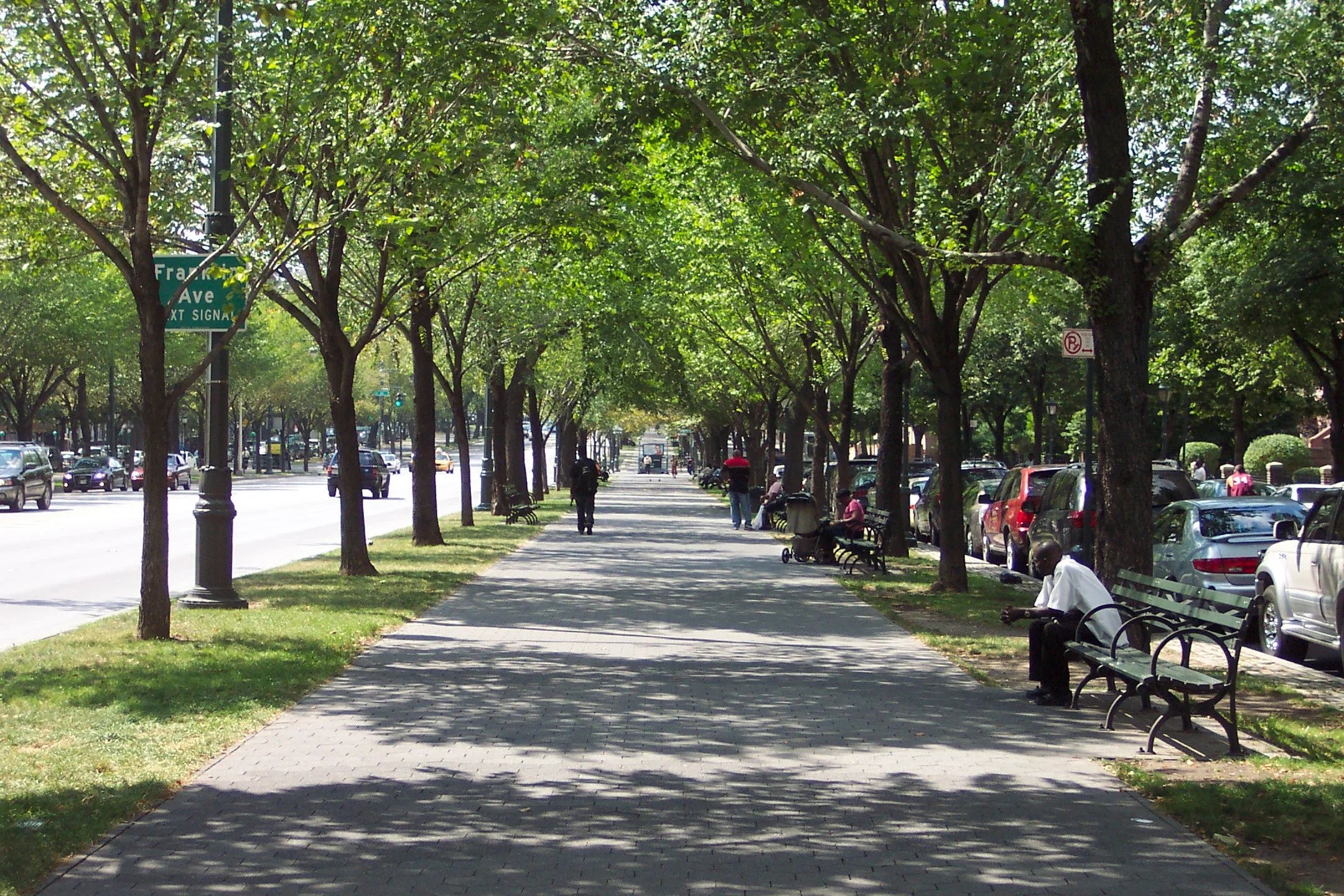
Crown Heights in 2026 is no longer the "next" neighborhood. It has arrived. The Franklin Avenue gold rush of the early 2020s has given way to what I'd call the Eastern Parkway Equilibrium — a stabilization where the neighborhood's two halves are finally beginning to find a common real estate language, even as they remain culturally and architecturally distinct.
The median home value is now running $1.25M to $1.35M. The "cheap Crown Heights" narrative is effectively dead on Franklin Avenue and the blocks immediately surrounding it. Twenty percent year-over-year rent increases on one-bedrooms have confirmed what buyers who were paying attention already knew — this neighborhood repriced and it's not going back.
What hasn't repriced yet is east of Utica Avenue. The Weeksville pocket — East Crown Heights — is still seeing entry points in the $800K to $900K range that disappeared from the western edge of the neighborhood five years ago. If you're a first-time buyer who keeps getting priced out of the neighborhoods you want, this is the conversation I want to have with you. That window is open right now and it won't stay open indefinitely.
The Eastern Parkway Divide: How to Navigate It

Eastern Parkway remains the defining feature of Crown Heights and understanding it is the first thing I walk every client through before we start looking.
North of the Parkway is the high-velocity zone. The stretch from Franklin to Nostrand in 2026 feels like a natural extension of Prospect Heights — amenity-dense, competitive, and priced accordingly. This is where you find the converted brownstones that move in under a week and the commercial strips that have matured into genuine neighborhood infrastructure.
South of the Parkway is a different market. More residential, deeper townhouse blocks, and a scarcity dynamic driven by the rate lock-in effect. Owners who refinanced at 3% in 2021 are not selling. The only way into the President and Carroll Street blocks south of the Parkway is through estate sales — and when one surfaces, expect ten offers in 48 hours from a mix of individual buyers and cash-ready investors. These blocks are commanding a scarcity premium that the price per square foot numbers don't fully capture.
The transit logic: if your commute is FiDi or Wall Street, staying north of the Parkway puts you on the 2/3/4/5 express and makes your life significantly easier. If you're remote or hybrid and prioritizing space and pace over commute efficiency, the Empire Boulevard corridor south of the Parkway gives you more square footage, a slightly slower neighborhood rhythm, and pricing that still reflects its lower profile.


The Pockets Worth Knowing
Weeksville / East Crown Heights — east of Utica Avenue is where the real 2026 value play lives. This is the last part of Crown Heights where the entry point still resembles what Franklin Avenue looked like five years ago. The infrastructure is improving, the trajectory is clear, and the buyers who are here now are making the same bet that the Franklin Avenue early movers made — just with better information.
The Major Owens Hub — the area surrounding the Major Owens Center has become one of the most important anchors in the neighborhood. It's not just a fitness facility — it's a genuine community ecosystem that has stabilized the blocks between Bedford and Rogers in a way that pure residential development couldn't have achieved. Proximity to it matters for daily quality of life in a way that doesn't always show up in listing descriptions.
The Franklin Shuttle Pocket — the blocks near the Franklin Avenue Shuttle stops at Botanic Garden and Park Place are the 2026 sweet spot that most people overlook. The MTA increased weekend service on the S train, making this connector to the Q and B a legitimate asset for residents who want Prospect Park access without the Prospect Park West price tag.
The Cultural Fabric
Crown Heights has one of the most layered neighborhood identities in Brooklyn and I think it's worth saying directly: this is a neighborhood with genuine community roots that predate the recent real estate attention by decades. The institutions here — the libraries, the community centers, the commercial strips along Nostrand and Utica — reflect that history and they're part of what makes the neighborhood function as a real place rather than just a real estate market.
What's happening on the commercial side in 2026 is genuinely exciting. Spots like Ras Plant Based and Brooklyn Suya aren't gentrified versions of the neighborhood's cultural identity — they're the next generation of that identity, higher-end concepts built by people with deep roots in the diaspora communities that have defined this neighborhood for generations. That distinction matters and it's visible if you spend time on the blocks.
The Investor Reality: What Buyers Are Up Against
The investor profile in Crown Heights has shifted significantly since 2018. The house flipper has largely been replaced by two distinct players — large-scale developers building co-living and high-density rentals along Atlantic Avenue and Empire Boulevard, and cash-ready individual investors prowling probate and estate sales.
The large-scale development has actually created a price floor for the neighborhood. New inventory along the corridors is built for a specific high-earning renter demographic and rents won't drop because of it — which is good news for buyers thinking about long-term value but real context for renters trying to find deals.
For buyers, the competition is primarily against cash investors on estate sales. Because the rate lock-in effect has killed organic inventory, a single unrenovated townhouse can spark a ten-bid war within 48 hours of hitting the market. If you're financing, being fully pre-approved and having your paperwork ready before you start looking isn't optional here — it's the minimum requirement to be competitive.
Ground-Level Intel
The Major Owens Center — living near the Major Owens Center means living next to the most active community hub in the borough. That's a genuine quality-of-life asset — programming, energy, neighbors who are engaged in the neighborhood. It also means foot traffic and recreational noise throughout the day. Fantastic if that's your rhythm. Worth knowing before you sign if it isn't.
The Lidl Building — the Lidl grocery store that just opened here in 2026 changed the daily life equation for the eastern side of the neighborhood overnight. If you're looking at units near Nostrand, you now have the only modern supermarket in a ten-block radius at your doorstep. That's a real quality-of-life factor that doesn't show up in the price per square foot.
Franklin Avenue — this is one of the most dynamic food and culture corridors in Brooklyn right now and it earns that reputation. Little Zelda and Bagel Pub anchor the daytime scene. Ras Plant Based on Franklin is where locals go when the Chavela's line is out the door. Safta brings something more substantial to the mix. The commercial strip here has matured into something genuinely worth being part of. One practical note for anyone looking at apartments directly on Franklin between Eastern Parkway and St. Marks: check the windows. Weekend nights on this stretch get loud and the energy doesn't wind down early. It's a minor consideration on a great corridor — just worth knowing before you choose a specific unit.
The Crown Heights Transit Playbook — three things worth knowing that most agents won't tell you. First, the Crown Heights-Utica Avenue station entrances actually sit between Schenectady and Utica — if you try to navigate to "the corner of Utica" you'll overshoot into the B14/B46 bus transfer chaos. Second, if you're on the 4/5 express heading into the city and it's crawling, switch to the 2/3 at Nevins Street — they share the same platform and the 2/3 often clears the Clark Street tunnel faster during morning rush. Third, the Franklin Avenue Shuttle is the most underrated transit asset in Brooklyn. The S train connects the 2/3/4/5 to the C and the Q at Prospect Park in under eight minutes. In 2026 the frequency has finally caught up with the demand. Live near a shuttle stop and you effectively have two-neighborhood access without paying Prospect Park West prices.
President Street Parking Reality — the blocks of President and Carroll Streets between New York and Brooklyn Avenues are among the most beautiful in the borough. They also have one of the highest car-to-household ratios in Brooklyn. Friday afternoons bring a maze of double-parking that can effectively trap residents with cars through Saturday night. If you own a car and are seriously considering these blocks, come back on a Friday at 4pm before you make any decisions. It's not a dealbreaker — it's just something to go in knowing.
J'Ouvert and the Labor Day Weekend — the West Indian Day Parade is one of the great New York City events and if you live in Crown Heights you'll experience it as a genuine neighborhood celebration rather than something you read about. What to know practically: the neighborhood is effectively fortified for 72 hours, Eastern Parkway cars cannot move, and the J'Ouvert pre-dawn festivities bring serious bass levels starting around 3am. Knowing this before you sign a lease on Eastern Parkway is the difference between loving it and being blindsided by it.
The 2026 Construction Noise Dashboard — if you're near one of the new Atlantic Avenue developments and it's late, don't just call 311. As of April 2026 any development site over 200,000 square feet requires a public noise monitoring device. Check the Noise Dashboard to see if they're exceeding their decibel limit — it's the only mechanism that actually gets the city to act on a permit.


What I'm Seeing on the Ground
Crown Heights is at the most interesting inflection point of any neighborhood I cover right now. The western edge has repriced and the eastern edge hasn't — yet. The buyers who understand that distinction and move on it in 2026 are going to look back on this the way the Franklin Avenue early movers look back on 2017. If you want to understand where the real opportunity is right now, that's exactly the conversation I want to have.
Thinking about Crown Heights? Let's talk.
I know this neighborhood and I'll give you a straight read on whether it fits what you're looking for — no pitch, no pressure.